LBO Home Page

Thursday 5th August 2021


Green Woodpecker

 Wonderfully flat calm fist thing with plenty of sunshine and a slowly increasing onshore breeze eventually bringing cloud and a few spots of rain by early evening; there was a good little selection of birds heading south over the sea through the morning which comprised a Spotted Redshank (always scarce here - the first since 2015), 2 Bar-tailed Godwits, 5 Curlew, a Dunlin, 2 Grey Plover, 18 Oystercatchers, 4 Redshank, 4 Turnstone, 17 Whimbrel, 27 Common Scoter, 35 Teal, 3 Pochard and a Grey Heron.

On the land, birds included the first Wheatear of the autumn, a Green Woodpecker which eventually found the Heligoland trap, 2 Sand Martins, 6 Swallows, a single lonely Willow Warbler and 4 Barnacle Geese which flew north.

Ringing: Green Woodpecker 1, Whitethroat 1, House Sparrow 12, Goldfinch 5, Linnet 1


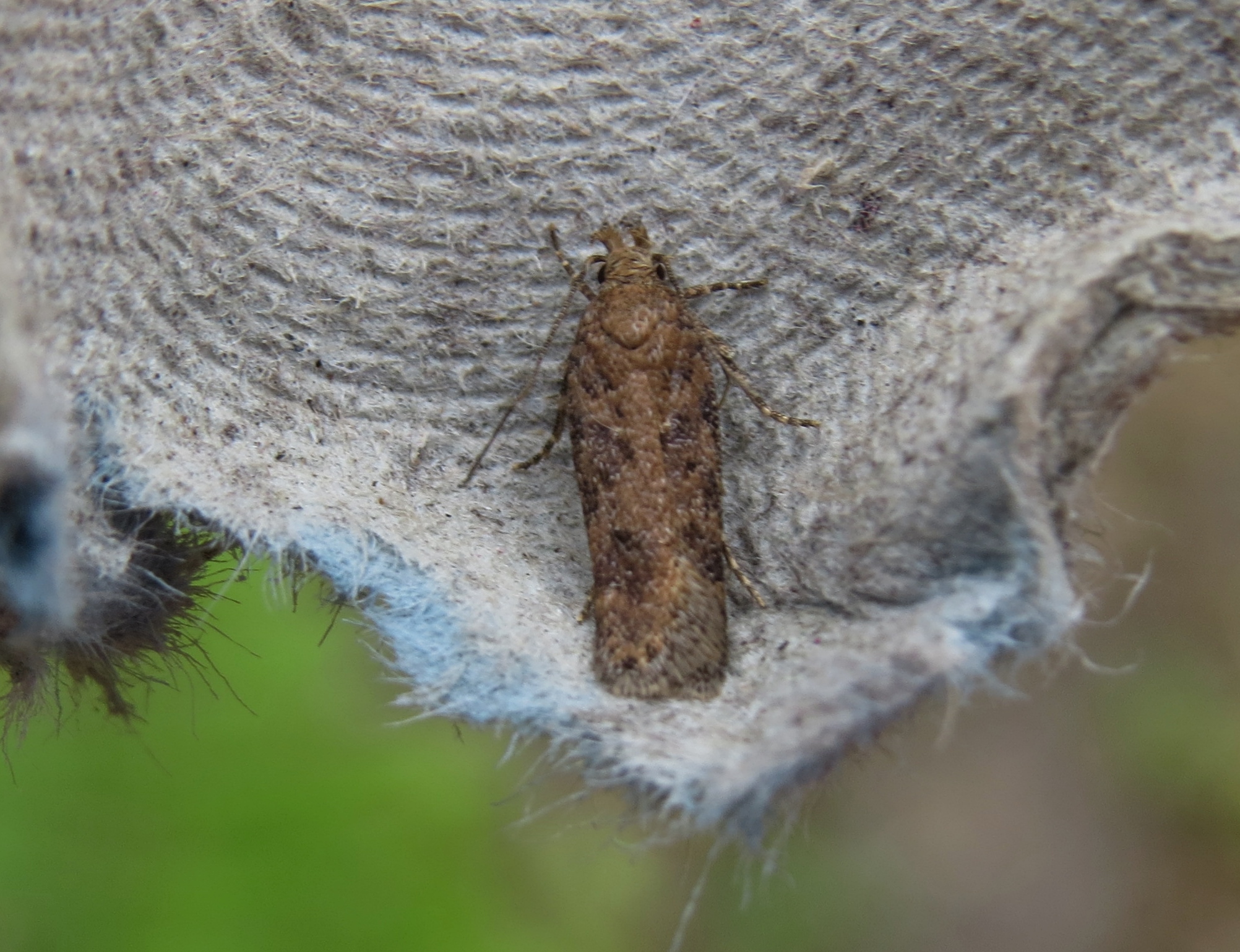
Another nationally scarce species here is Monopis imella which has colonised the site from 2015 and has the habit of feeding on remains in birds nests and on decaying animal matter


Wednesday 4th August 2021

A light easterly breeze gave hope but failed to deliver. Another juvenile Cuckoo passing through was the highlight with very few other migrants on site. Southbound 21 Cormorant, 11 Common Scoter, 3 Swallow & Grey Heron. 32 Common Tern were feeding offshore early on & a juv Black Redstart was having a bath at the cottage.

Kent Black Arches is yet another nationally scarce species we have on site presumably living on Brambles here.

Ringing 2 Goldfinch, 1 House Sparrow, 1 Linnet.

Tuesday 3rd August 2021


Anyone fancying doing a Dr. Crippen to their spouse then a handful of Henbane plants are on the reserve

 Another fine day, bright and sunny after the early morning clouds had dispersed with the light onshore breeze; offshore, totals comprised 29 Black-headed Gulls, 39 Common Scoter, 11 Sandwich Terns, 12 Common Terns, a group of 5 Eiders north, 7 Curlew and 3 Whimbrel south, 9 Gannets and 4 Oystercatchers.

On land, a few odds and ends consisted of 3 Blackcaps (presumably locally dispersing birds), a Green Woodpecker which shot past - the first one of the autumn, 2 Swallows, a Yellow Wagtail and single Sedge Warbler and Willow Warbler.

Ringing: Blackcap 3, Dunnock 1, House Sparrow 2, Blackbird 1, Linnet 4, Goldfinch 1, Robin 1


Cynaeda dentalis is a nationally scarce species living on Viper's Bugloss


Monday 2nd Auust 2021


House Sparrows

 A lovely day, very calm throughout with varying bits of cloud floating in and out; quiet on the bird front though as dribs and drabs of note comprised a Blackcap, a Willow Warbler, 12 Common Terns, 3 Curlews and a Whimbrel south and a little influx of new, completely moulted first-winter Robins, probably from not that far away.

Ringing: Robin 3, Wren 1, Willow Warbler 1, Linnet 1


Another nationally scarce species here is Chionodes distinctella living on Bird's-foot Trefoil and Common Sorrel


Monday 1st August 2021

The first decent push of hirundines with southbound 340 Swallow, 8 Sand Martin & 3 House Martin with a supporting cast of 4 Oyk, 2 Swift, Common Gull & Med Gull. A Great White Egret flew overhead at 0727 hrs having been previously noted going over Felixstowe Ferry 15 minutes earlier. Grounded migrants almost non-existent with single Blackcap & Reed Warbler noted plus a Cuckoo came in off the sea then north over the dock with another juvenile turning up late morning making this the biggest day count of Cuckoo for ten years.


Webb's Wainscot is a national scarce species living on Bulrush although it is long known as a great wanderer in search of new sites & appears to be turning up more frequently in recent years.

Ringing: 3 Blackbird, 2 House Sparrow, 1 Blackcap, 1 Great Tit.

RINGED PLOVER 2021


Five pairs at the start of the season declined to four as it went on. Early nesting attempts either didn't get going at all or quickly failed in the cold drought due to unknown predation. Second (or first later) nesting attempts resulted in chicks succumbing in the cold & very wet conditions within a short period of hatching. The inclement winds saw two clutches laid by the same pair lost due to wave action on the beach. Three late clutch's disappeared overnight on the same night due to unknown predation. The chick, pictured above, successfully fledged on 34 days (the norm here is 28 to 35 days with some late season chicks still present up to nine weeks from hatching).

JULY RINGING TOTALS

 232 birds of 25 species is slightly better than the 2020 figure but less than half the 2019 total. On the plus side Wren numbers are recovering from the cold snap at the end of the winter & the wet weather has allowed Blackbirds to produce some young after an almost total breeding failure last year.